Mesh vs Reverse Curve Gutter Guards: Which System Performs Better?
June 24, 2026
It is the first cold Saturday in November. You are halfway up a ladder you do not love, pulling a wet rope of maple leaves out of a gutter that overflowed all night. Water has been sheeting past the front lip and freezing into a gray ribbon along your foundation. You climb down, look at the box stores in your head, and ask the obvious question. Which gutter guard actually keeps you off this ladder.
Here is the short answer before you buy anything. Both micro mesh and reverse curve guards work, but each fails in a different way and neither performs equally in our climate. After installing and servicing both across the Fox River Valley, we see micro mesh win on fine debris and freeze behavior, while reverse curve handles heavy water volume on steep roofs. The right pick depends on your roof, your trees, and how your gutters behave once the temperature drops below freezing for weeks at a time.
How Each System Actually Works
Mesh guards lay a fine stainless or aluminum screen across the gutter opening. Water passes through thousands of tiny holes while leaves, seeds, and grit ride over the top and blow off. The finer the weave, the smaller the particle it blocks. A true micro mesh stops shingle grit and pine needles, which are the two things that clog most systems around here.
Reverse curve guards use a solid hood that curves down over the front edge of the gutter. Water clings to that curve through surface tension and wraps into a narrow slot, while debris is meant to ride past the lip and drop to the ground. There is no open screen. The whole bet rides on water sticking to the curve and leaves not doing the same.
That mechanical difference explains almost every performance gap you will read about below. One filters. The other redirects.
What We See Fail On Each
On reverse curve hoods, the slot is the weak point. In heavy rain, water builds speed coming off a steep roof and overshoots the curve entirely, running straight past your gutter and onto the ground. Fine debris like maple helicopters and pine needles can also follow the water into the slot and pack it from the inside, where you cannot see it until the gutter overflows.
On mesh, the failure is slower and gentler. Cheap screens with large holes let shingle grit through and let needles bridge across the surface. Over a few seasons that builds a mat on top that sheds water instead of passing it. Quality micro mesh avoids this, but the frame and pitch have to be right. A mesh panel installed dead flat holds standing water and debris far longer than one set on a slight slope.
Side By Side Comparison
| Factor | Micro Mesh | Reverse Curve |
|---|---|---|
| Fine debris (grit, pine needles, seeds) | Blocks reliably | Can pass into the slot and clog |
| Heavy rain on steep roofs | May sheet over if pitched wrong | Strong if the curve is tuned right |
| Visibility from the ground | Low profile, nearly hidden | Bulkier hood, more visible |
| Ice and snow behavior | Sheds water low in the gutter | Slot and lip can freeze and dam |
| Cleaning need over time | Occasional surface rinse | Internal slot is hard to reach |
| Best match | Mixed leaf and needle yards | Open roofs with high water volume |
Which Performs Better In A Shiocton Winter
Winter is where this decision gets decided for most of you. Our snow season runs close to five months, roughly November into April, with long stretches below freezing and repeated freeze and thaw swings. That pattern is hard on any guard, and it punishes the two systems differently.
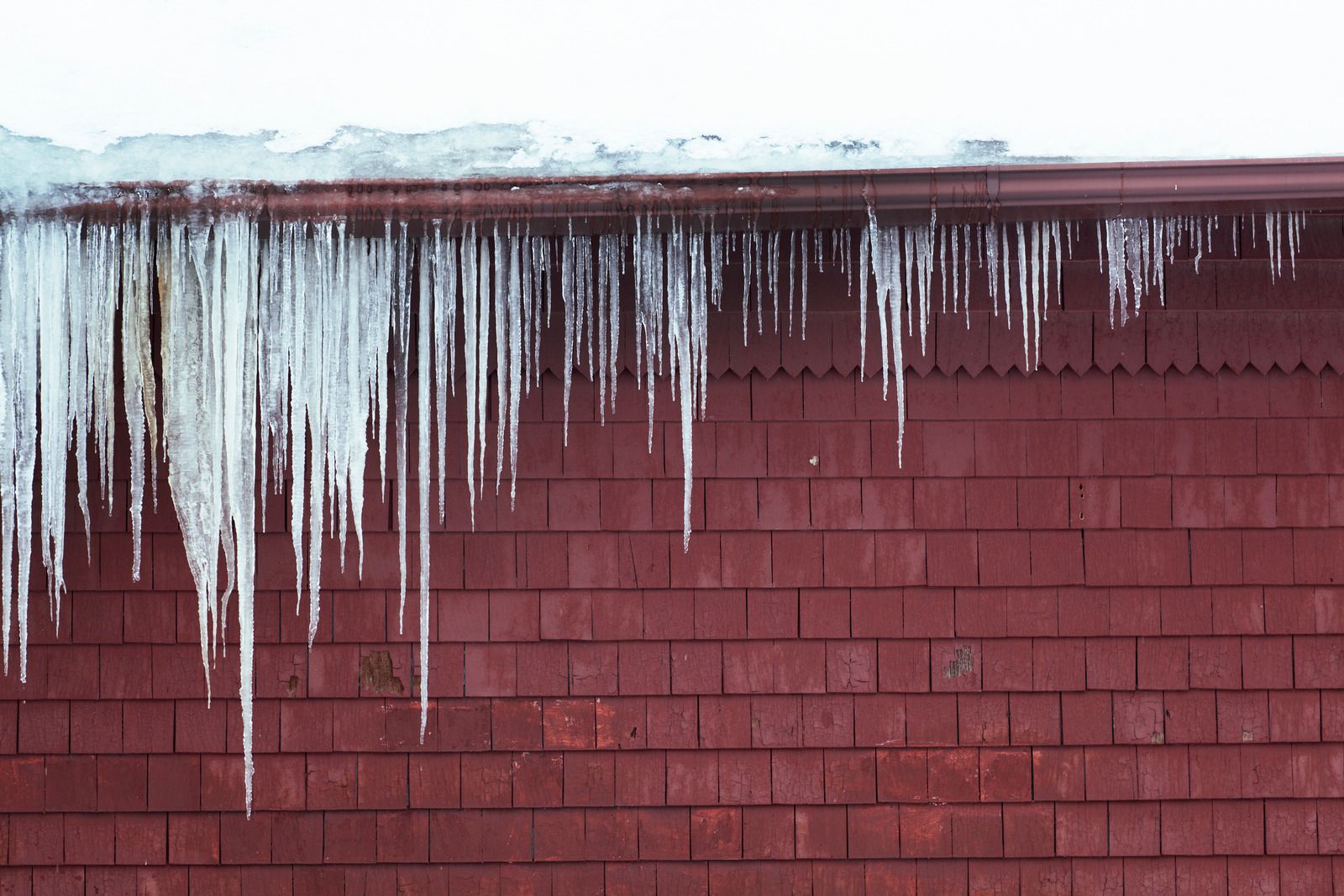
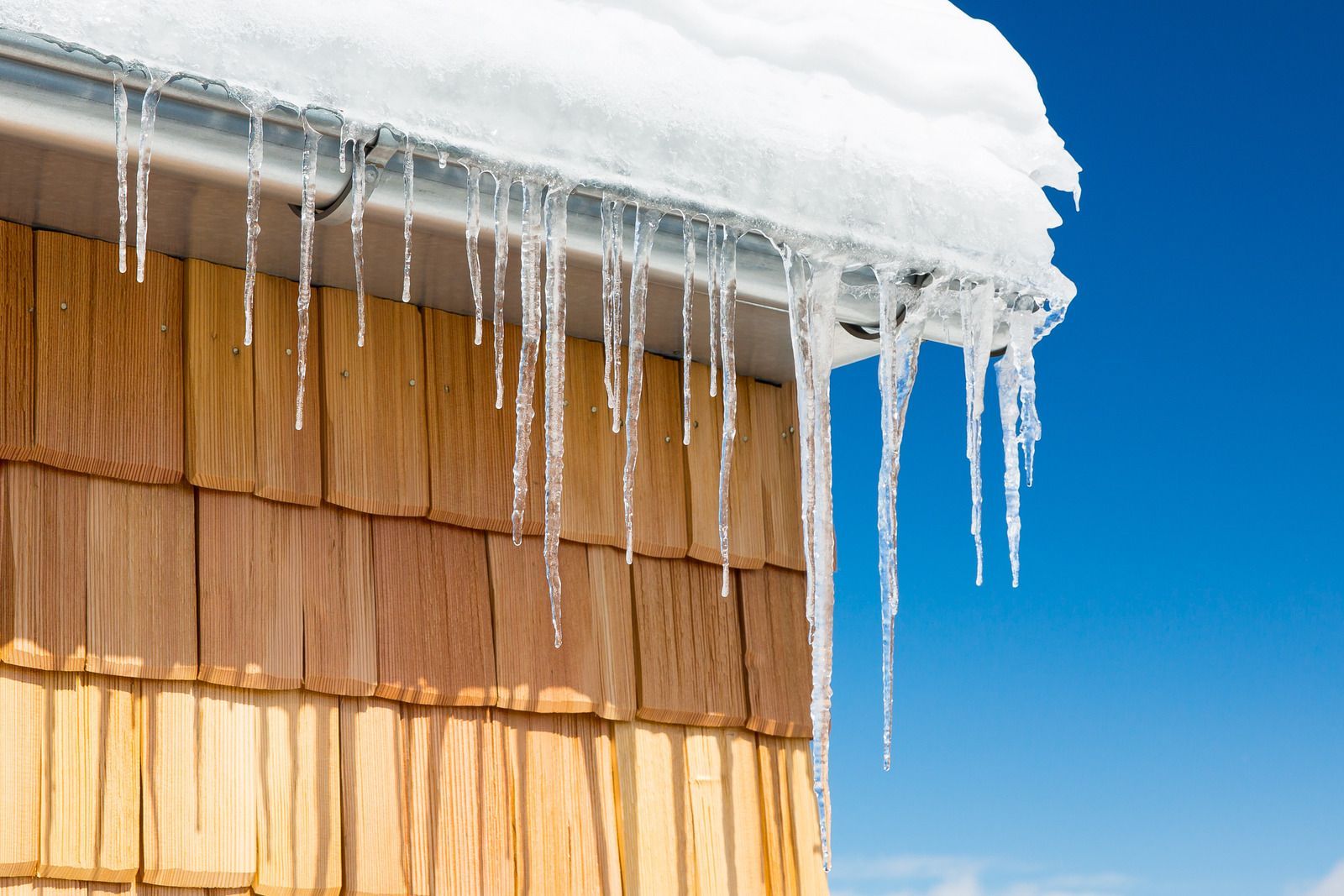
Reverse curve hoods give meltwater a head start on forming ice. Water wraps the curve, slows in the narrow slot, and refreezes overnight along the front lip. Do that for a week and you grow an ice ridge that pushes melt back under your shingles. Micro mesh keeps the water lower and more spread out across the gutter, so it tends to drain and refreeze with less of a solid front dam. Neither guard stops an ice dam on its own, since the real driver is heat escaping through your roof, but in our experience the open hood gives ice a better grip.
Spring brings the second test. When maples drop helicopters in May and the thaw washes a winter of shingle grit downhill, fine mesh catches that load on top where rain rinses it off. The same load tends to slip into a reverse curve slot and sit.
Debris Type Should Drive Your Choice
Walk your yard and look up before you decide. Tall pines and a roof that drops needles all year point hard toward fine micro mesh, because needles are the single most common thing we pull out of failed guards. A yard of broad oak and maple leaves with little needle load gives reverse curve a fair shot, since big leaves ride a hood well. Mixed lots, which is most of what we see around the Fox River Valley, lean back toward mesh because mesh covers both ends of the debris range.
The Maintenance Reality Nobody Mentions
No guard is a forever lid you bolt on and ignore. Mesh asks for an occasional rinse with a hose to clear surface film and pollen, which you can usually do from a ladder in minutes. Reverse curve asks for less surface attention but far more invasive service when the hidden slot finally packs, because the hood often has to come off to clear it. Think about which kind of upkeep you would rather sign up for, since you are choosing a maintenance style as much as a product.
Common Mistakes When Choosing
Buying on hole count alone is the first trap. A screen is only as good as its pitch and frame, and a great mesh installed flat will still pond and clog. We set every panel on a slope so water and debris keep moving.
Matching the guard to the roof instead of the trees is the second. People pick a hood because a neighbor has one, then watch it choke on pine needles that neighbor never had to deal with. Read your own debris first.
The last one is treating any guard as ice insurance. Guards manage debris. Ice dams come from attic heat and ventilation, and no lid fixes a warm roof. Pairing the right guard with honest attic sealing is what actually keeps your winter gutters flowing.
Frequently Asked Questions
Do gutter guards stop ice dams in winter?
No. Ice dams form when heat escaping through your roof melts snow that refreezes at the cold edge. Guards manage debris, not heat. Reverse curve hoods can even worsen edge ice in our long freezes.
Which guard is better for pine needles?
Micro mesh, clearly. Needles slip through wide screens and pack reverse curve slots from the inside. A tight stainless weave catches needles on top where rain rinses them off, which is why we recommend it for needle heavy yards here.
Can I install gutter guards myself?
You can, but pitch and frame fit decide whether guards work at all. A panel set flat ponds water and clogs fast. Ladder work over frozen ground also carries real fall risk, so many homeowners prefer a measured professional install.
How often do mesh guards need cleaning?
Far less than open gutters, though not never. Plan on a hose rinse once or twice a year to clear pollen, grit film, and surface debris. Yards with heavy tree cover near the Fox River Valley may want a quick spring check.
Will guards work with our heavy spring rains?
Yes, when sized and pitched right. Steep roofs throw fast water, so reverse curve must be tuned to its curve and mesh must sit on a slope. A poor install on either system will sheet water past the gutter in a downpour.
Discover Expert Gutter Protection With Pro-Flow Seamless Gutters
Choose your guard by reading your trees and your winters, not by the box on the shelf, because debris type and freeze behavior decide performance far more than the brand on the label. In Shiocton and across the Fox River Valley, where five months of snow meets a steady mix of leaves, needles, and shingle grit, that calculus usually favors a well pitched micro mesh.
When you are ready to match the right system to your roof, we install and service both across Shiocton, Wisconsin. With 1
year of experience, Pro-Flow Seamless Gutters LLC
will walk your roofline, read your debris load, and set guards that keep you off that November ladder for good.